In the modern workplace, hair dye is no longer a symbol of “rebellion” or “unprofessionalism.” Instead, it’s a tool that balances personal style with a professional image.
You might be thinking, “Can I dye my hair? Won’t it be too conspicuous?”
Actually, as long as you choose the right color, a low-key yet stylish hair color can not only boost your confidence but also make you more sophisticated in the office.
This article provides a comprehensive guide to hair dyeing in the workplace. We’ll cover hair color trends, skin tone matching, dyeing techniques, and makeup and clothing coordination, all to help you create a professional and stylish look.
Table of Contents
Psychological and Image Considerations for Hairdressing in the Workplace
Hair color is not just about appearance; it subtly influences how others perceive you in the workplace.
1. First impressions determine workplace presence.
Research shows that a candidate’s hair color can influence an interviewer’s judgment of their composure and credibility. Low-saturation, soft colors tend to project a more professional image.
2. Differences in industry culture
- Finance, law, and consulting: Prefer understated colors such as dark brown and chestnut.
- Creativity, Design, and Technology: Allows for minor color innovations such as light brown, milk tea brown, and understated red.
Not everyone has to choose black or dark brown. Using low-saturation warm colors appropriately can be both sophisticated and stylish.
3. The effect of psychological suggestion
Hair color can boost self-confidence. Studies have found that employees who dye their hair a subtle yet stylish color that suits them appear more natural and confident in daily communication and meetings.
Workplace Hair Coloring Selection Principles
To achieve a low-key yet stylish hair color, you can follow these strategies:
- Chestnut brown, dark coffee, and light brown, which are close to natural colors, are all safe choices. They are both sophisticated and easy to match with makeup.
- Add subtle highlights or layers by using understated highlights, gradients, or slightly warm tones. This makes your hair color rich and layered without being overpowering.
- Adjust the color scheme according to the industry’s level of openness. Open companies can choose colors such as light red, milk tea brown, and soft copper to personalize their professional image.
10 low-key yet stylish hair coloring tips for the workplace
1) Classic Chestnut Brown
The most classic hair color for the workplace: sophisticated and natural.
Suitable for: All skin tones.
Style effect: Mature, sophisticated, understated, and elegant.
Application suggestion: A light highlight can enhance the depth of the complexion.
2) Mocha Mousse
The coffee color has a golden undertone, making it both soft and sophisticated.
Suitable for: Warm skin tones.
Style effect: Warm, textured.
Styling suggestion: Big wavy curls or naturally straight hair will give a more professional look.
3) Dark Espresso
It’s almost black with a warm brown sheen, exuding elegance in a low-key way.
Suitable for: All skin tones.
Effect: Minimalist, sophisticated.
4) Ash Brown
Cool color scheme, strong modern feel, subtle changes without being ostentatious.
Suitable for: Cool skin tones.
Effect: Refined and stylish.
5) Subtle Ombre
Low-saturation gradient colors give the ends or mid-lengths of the hair a subtle shine, adding dimension.
Suitable for: People who want to add depth without being overtly flashy.
Effect: Natural and soft.
6) Warm Chestnut
Reddish-brown tones have low saturation, enhancing skin tone and complexion, making them especially suitable for autumn and winter.
Suitable for: Warm skin tones.
Effect: Soft and textured.
7) Honey Brown
Light brown with golden undertones, gentle and approachable.
Suitable for: Fair or warm skin tones.
Effect: Natural, warm.
8) Dark Auburn
A subtle reddish-brown color adds personality to your professional hair color without being overly flashy.
Suitable for: People who desire subtle innovations.
Effect: Profound and elegant.
9) Golden Brown
With its golden-brown hue and warm sheen, it’s suitable for offices in all seasons.
Suitable for: Most skin tones.
Effect: Professional look and radiant glow.
10) Soft Copper
The soft copper color is subtly shiny yet understated, making it suitable for open-plan companies.
Suitable for: Warm skin tones.
Effect: Soft and natural.
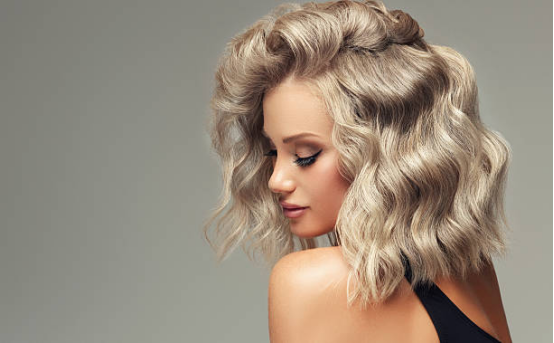
Hair color and skin tone matching tips
- Cool skin tones: gray-brown, gradient light colors, cool light gold
- Warm skin tones: Mocha Mousse, Warm Chestnut Brown, Honey Brown
- Neutral skin tones: dark brown, golden brown, soft bronze
Tip: Before applying hair dye, try the color behind your ear to see if it matches your skin tone and makeup.
Hair Dye Before and After Practical Guide
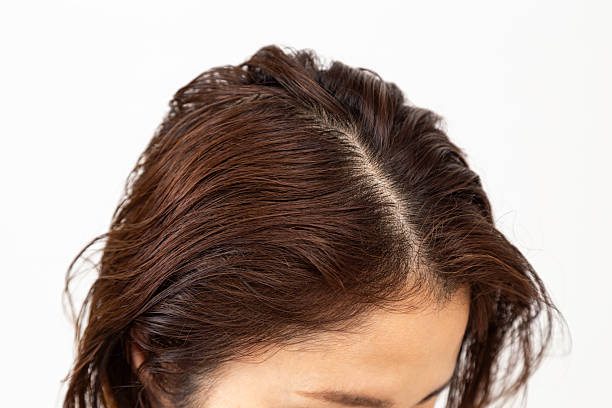
1. Preparation before dyeing
- Moisturize your scalp to prevent sensitivity.
- Choose high-quality brand hair dye.
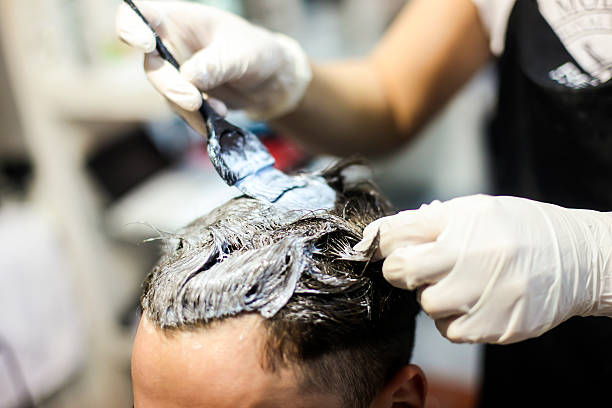
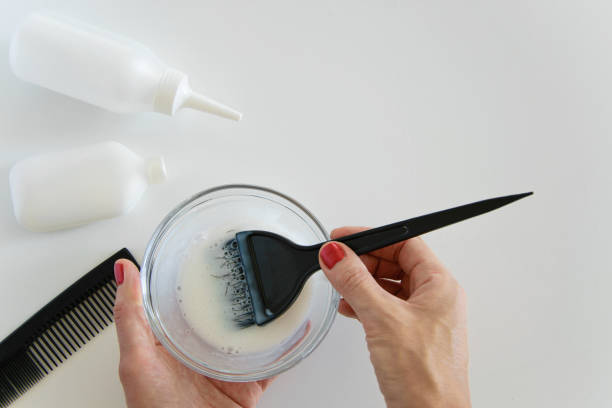
- Wear gloves and use an old towel to protect your clothing.
2. Hair coloring techniques
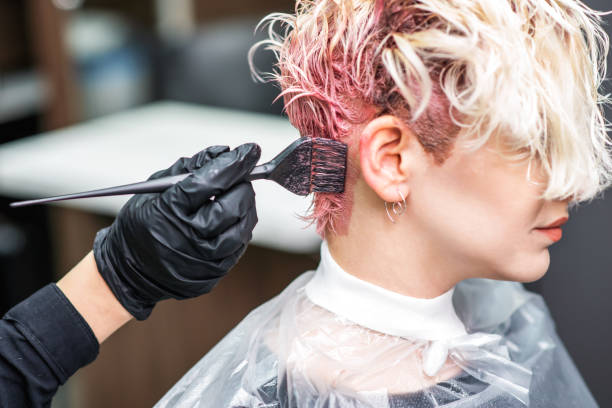
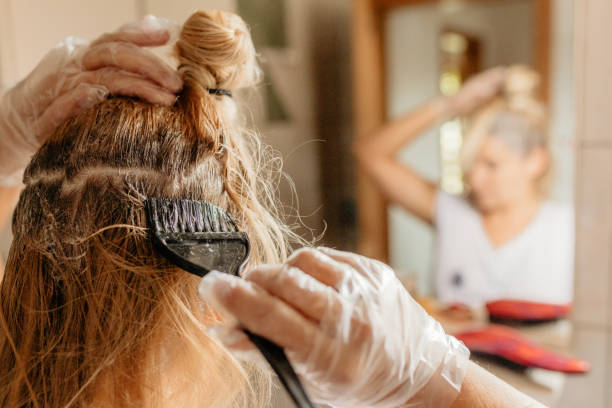
- First, apply the hair dye in sections and then color it evenly.
- Dark colors covering light colors, and light colors covering dark colors, require layering.
- of hair dye to conditioner should be kept moderate.
3. Post-dyeing care
- Use a special shampoo and conditioner for post-dyeing.
- Avoid high-temperature air blowing to prevent fading.
- Deep cleanse once a week to maintain shine and smoothness.
Tip: Gloss is more important than brightness, and soft-focus colors give a more professional look than highly saturated colors.

Hair color should match makeup/clothing.
Achieving a harmonious overall image means coordinating your hair color with your clothing and makeup:
- Chestnut brown and dark coffee: Suitable for business suits; light makeup is sufficient.
- Gradient colors and warm chestnut brown: Pair with earth-toned clothing for an overall soft and harmonious look.
- A reddish or coppery hue: Pair it with a solid-colored shirt or suit to add a touch of sophistication.
This coordination helps create a more harmonious overall image and prevents it from looking out of place.
FAQ: Common Workplace Hair Dye Issues
- Q1: Is hair dye suitable for an interview?
Try to choose natural colors or low-saturation tones, such as chestnut brown or dark coffee. - Q2: What to do if hair color fades?
Choose high-quality Hair Dye + regular care to maintain stable color for 4–6 weeks. - Q3: What if you like color?
Use peek-a-boo or subtle highlighter for a low-key yet unique look. - Q4: Will hair dye in the workplace affect one’s image?
A subtle, fashionable color won’t, but overly bright or contrasting colors might. - Q5: How often should I get a touch-up?
Generally, a touch-up is recommended every 4–6 weeks to avoid uneven color development.
In conclusion: Hair dye in the workplace can be both understated and stylish.
To recap the key points for workplace hair dyeing:
- Choose low-saturation natural colors: chestnut brown, dark coffee, and warm chestnut brown.
- Add soft highlights: gradients and subtle highlights enhance the depth of the image.
- Hair quality and shine management: Post-dyeing care is more important than the color itself.
- Combine industry expertise with personal style to be confident and professional in the workplace.
A subtle yet stylish hair dye is more than just a hair color; it’s a boost to your professional image. Choose wisely, and let your hair color become a secret weapon for confidence, professionalism, and sophistication.