rather, whatHair dye has become a part of many people’s daily styling.
Whether it’s covering gray hair or trying a new color, dyeing hair itself isn’t complicated. But what really makes people hesitate is often not “whether to dye it or not,” but rather—what will my hair look like after I dye it?
In recent years, there has been increasing discussion about “plant-based dye” versus “chemical dye.”
Some emphasize that plant-based hair dye is gentler, while others insist that only chemical hair dye can bring stable and ideal color results. These seemingly opposing choices actually reflect the same underlying question: can the hair type withstand this dyeing process?
Table of Contents
What is the core difference between plant and chemical dyeing?
Before discussing whether dyes damage hair, it’s crucial to understand how the two types of dyes actually work.
Plant dye: A “gentle path” where color remains on the surface.
“alteration.”Plant dyes typically consist mainly of pigments derived from plants.
In principle, it is closer to “attachment” than “alteration”.
During the staining process:
- The dye mainly adheres to the surface of the hair cuticle.
- There is no need to forcibly open the cuticle structure.
- The colors gradually emerge through multiple layerings.
This is why many people have similar feelings after using plant-based dyes:
their hair doesn’t feel much different to the touch, but the color becomes more natural and softer.
This is not because the effect is bad, but because its working method determines its form of expression.
Chemical dye: Achieving stable color development through structural changes
The goal of chemical dye is very clear:
to allow the color to penetrate into the hair and remain stable for a long time.
Therefore, it needs to complete several key steps:
- Open the hair cuticle
- Allow dye molecules to penetrate the hair core
- A stable color structure is formed internally.
For this reason, chemical dyeing has significant advantages in the following aspects:
- More vibrant colors
- Stronger ability to cover gray hair
- Longer color retention
However, at the same time, the hair structure will indeed be “interfered with,” which is the root of many people’s concerns.
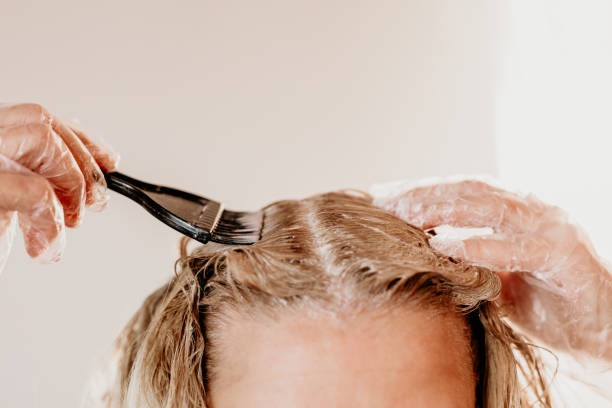
How does hair dye typically damage hair?
A common misconception is that
dyeing your hair will always cause serious damage.
once,”In fact, the problem is often not about “dyeing once”, but about whether the hair coloring method has been unbalanced in the long term.
When using plant-based dyes, changes in hair quality are usually slow.
Based on actual feedback, the effects of plant-based dyes on hair quality are more “mild”:
- The hair scales are well preserved.
- The rate of moisture loss is relatively slow.
- The dryness after dyeing is not obvious.
Therefore, it is more suitable for the following groups of people:
- Hair type is naturally dry and fine
- The hair is already somewhat damaged.
- I dye my hair frequently, but I want to reduce the hassle.
However, it should be noted that plant-based hair dyes do have limitations in lightening dark colors and providing strong coverage.
When using chemical dyes, changes in hair quality are more direct.
Changes in chemical hair dyes are often more easily detected:
- The skin may feel dry after dyeing.
- If not properly cared for, the frizz will be noticeable.
- After multiple hair coloring sessions, hair elasticity decreases.
However, this doesn’t mean that chemical hair dyes are “definitely unsuitable.”
The key is whether the hair is given enough room to recover.
A comparison from multiple perspectives: the impact of plant-based vs. chemical hair dyes on hair quality.
The differences become clearer when the two dyes are compared under the same standard.
Dryness
- Plant-based dye:
The feel changes less after dyeing, and it is closer to the original state. - Chemical dryness:
If not properly cared for, the dryness will be more pronounced.
Risks of fracture and bifurcation
- Plant dyes have limited effect on hair toughness.
- Chemical dyes have an increased risk of breakage after frequent use.
Long-term cumulative effects
This is a point that many consumers easily overlook.
- The “cost” of plant-based hair dyes lies primarily in the limited color selection options.
- The risks of chemical hair dyes stem from high frequency but lack of repair.
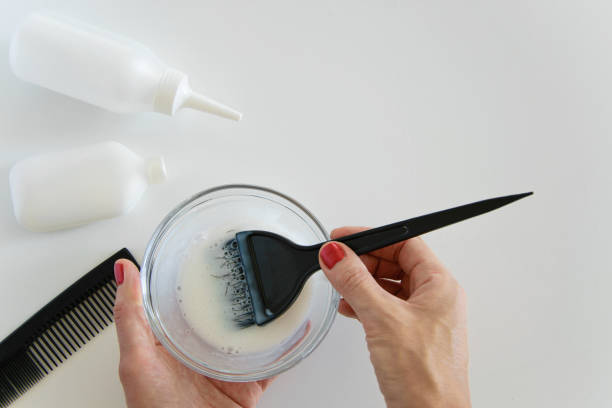
Different hair types have varying degrees of tolerance to hair dye.
,When choosing a hair dye , the quality of your hair itself is more important than current trends.
Fine and soft hair
- More prone to water loss
- More sensitive to structural changes
- More suitable for plant-based hair dyes or gentler solutions
Coarse or healthy hair
- High tolerance to chemical dyes
- The color rendering effect is usually more ideal.
- People with damaged hair or who frequently dye their hair
- It is even more necessary to reduce the intensity of stimulation.
- Plant dyeing can be given priority as a transitional option.
How to make a realistic choice between color rendering and hair health?
In reality, most people don’t just seek out the “mildest” or “strongest color rendering.”
Many choices actually happen here:
- Want a noticeable color change, but don’t want your hair to get worse.
- I want stable results, but I don’t want to sacrifice my hair quality in the long run.
This is also why products are constantly being upgraded.
More and more formulas are trying to find a balance between gentleness and effectiveness.
Practical methods to reduce hair dye damage
Regardless of which category you choose, the following advice is very important:
- Control the frequency of hair dyeing and avoid multiple treatments in a short period of time.
- Assess your hair condition before dyeing to avoid dyeing severely damaged hair.
- Basic post-dyeing care helps hair cuticles recover.
- Focus on changes in hair texture, not just color.
itself butOften, the problem doesn’t stem entirely from the dye itself, but rather from how it’s used.
The future trend of hair dye: from opposition to integration
From an industry perspective, the line between “plant-based vs. chemical hair dye” is gradually becoming blurred:
- Chemical hair dyes are reducing irritation.
- Plant-based ingredients are being incorporated more into hair dye formulas.
- Low damage and sustainability become the core directions
This means that consumers will have more sophisticated choices in the future, rather than simply choosing between two options.
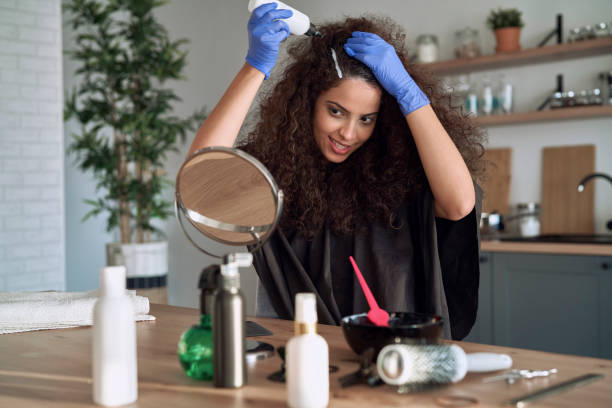
FAQ: Frequently Asked Questions about Plant and Chemical Hair Dyes
Q1: Is plant-based dye completely harmless to hair?
It is relatively gentle, but not entirely without any impact, and its effects are more limited.
Q2: Can chemical dyes cause irreversible damage?
With proper use and care, the risks are manageable.
Q3: Which type is more suitable for sensitive scalps?
Generally, plant-based hair dyes are less irritating, but it is still recommended to test them beforehand.
Q4: Can I use plant-based and chemical hair dyes alternately?
Yes, but you need to pay attention to the interval between dyeing and the effect of color layering.
In summary, choosing a hair dye essentially means understanding your own hair type.
forces butPlants and chemicals are not opposing forces, but rather differ in their tools.
What really matters is not which one is more “advanced,” but
- Does it match your hair type?
- Does it match your hair-dyeing frequency?
- Is a balance achieved between color preferences and health?
Once you understand these points, choosing a hair dye will be much easier.