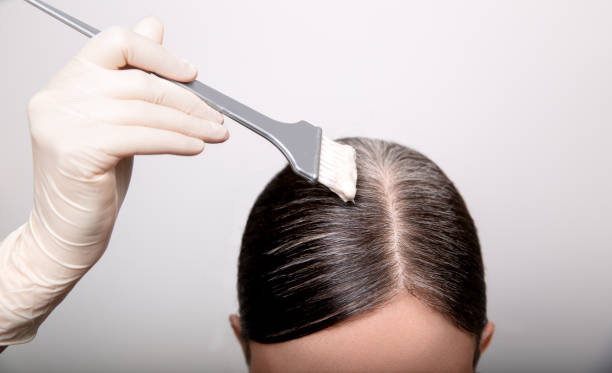
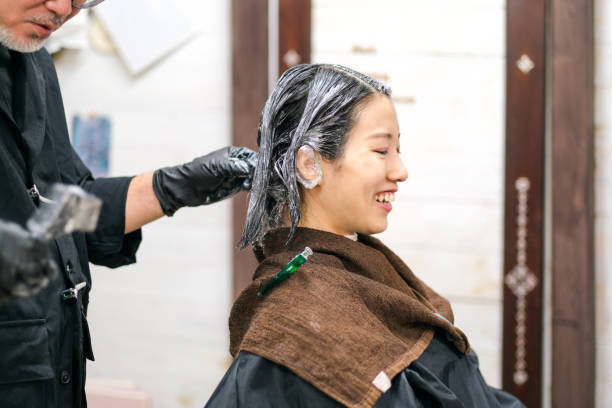
When choosing hair dye, many people encounter a similar dilemma:
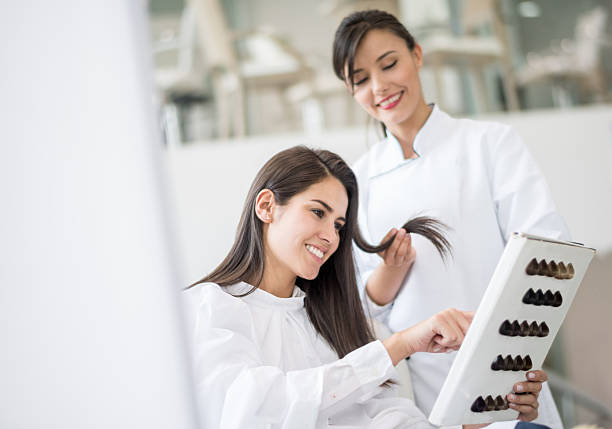
they select their favorite color from the color chart but find that the result is quite different from their expectations after dyeing.
Darker colors, a dirty appearance, rapid fading, and even a noticeable decline in hair quality—these problems aren’t entirely caused by the hair dye product itself. A more common reason is that the hair coloring doesn’t match the hair type well enough.
In other words, it’s not that the color is bad, but that it doesn’t suit your hair.
Table of Contents
Why must the color of hair dye match the hair type?
In the professional hair coloring field, there is a repeatedly verified conclusion:
the same hair dye will almost never produce the same effect on different hair types.
This is because hair coloring is not simply “coloring” but a comprehensive process involving the hair’s surface structure, internal color absorption capacity, and subsequent color-locking stability.
Ignoring hair type can lead to the following common consequences:
- The dyed color is significantly different from the packaging or color chart.
- Uneven coloring in some areas, resulting in differences in shade.
- The color-developing period of hair dye is significantly shortened.
- Hair becomes dry and dull in a short period of time
successful hair coloring is not choosing a color but understanding your own hair.
II. Four Core Dimensions for Determining Hair Type (Must Read Before Hair Coloring)
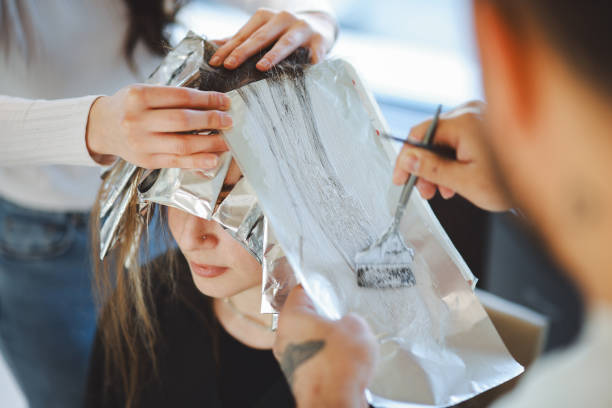
Before choosing a hair dye color, you can quickly determine your hair type by considering the following four dimensions.
1. Hair thickness: fine and soft hair vs. coarse and stiff hair
This is one of the most direct factors affecting the color development of hair dye.
Fine and soft hair
- The hair scales are thin
- Dye enters quickly
- It shows clear color development, but its stability is relatively weak.
coarse and stiff hair
- The cuticle structure is tight
- The coloring process is quite difficult.
- The color is usually darker and lasts longer.
This is why the same hair dye tends to make fine, soft hair appear “brighter,” while coarse, stiff hair tends to appear “darker.”
2. Hair volume and density: key to visual differences
Hair volume does not change the chemical reaction of hair dye, but it significantly affects the visual presentation of the color.
Thin hair:
- Dark colors tend to make the skin appear heavier.
- Low brightness will amplify the flatness.
Excessive hair volume:
- Lighter colors tend to show more dirt.
- High-contrast colors are difficult to unify in terms of gradation.
Therefore, hair volume is a variable that is often overlooked but is very practical when choosing a color.
3. Hair damage level: An invisible factor determining color stability
Damaged hair and healthy hair respond completely differently to hair dye.
Healthy hair:
- Coloring is relatively controllable
- Color close to the color chart
Damaged hair:
- Fast color absorption
- However, the colors are more prone to getting out of control and fading.
If your hair has been bleached, dyed, or permed multiple times, you need to be more conservative in your color choices, even when using high-quality hair dye.
4. Curl/Straightness: Affects color gradation and uniformity.
Straight hair:
- Hair dye shows color more clearly.
- The color difference is not obvious.
Curly hair / Naturally curly hair:
- Complex light reflection
- It easily creates a sense of depth, but it is also prone to color differences.
hair coloring with “low contrast and high blendability.”
III. Understanding the 3 Key Properties of Hair Dye Color
Before conducting a matching test, it is necessary to understand the underlying logic of hair coloring.
1. Brightness: Lightness or darkness determines the margin of error.
High brightness (light color):
- Lightweight
- High requirements for hair quality
Low brightness (dark colors):
- More secure
- More inclusive of hair types
2. Saturation: Determines whether a color is “pleasing to the eye” over time.
High saturation:
- Strong visual impact
- High risk of rollover
Low saturation:
- More natural
- More resistant to fading
3. Color temperature: Warm or cool color temperature affects the overall feel.
Cool colors:
- High sense of sophistication
- High requirements for hair quality and base color
Warm colors:
- High affinity
- More suitable for most hair types
IV. Hair coloring color and hair type matching test (practical version)
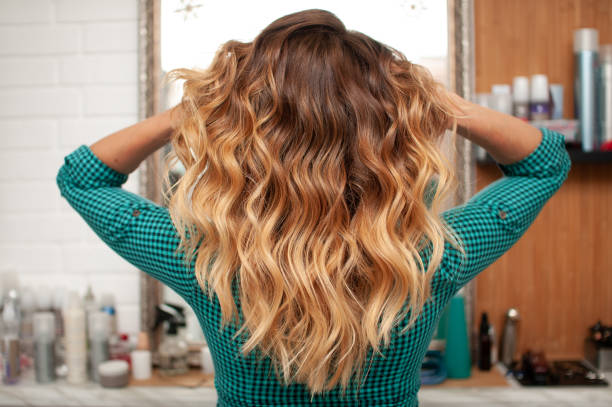
You can use the following set of questions to quickly determine which type of product is more suitable for you.
Step 1: Is your hair texture more similar?
- A. Soft and easily collapses
- B. Medium
- C. Rough, hard, and supportive
Step 2: Current hair condition?
- A. Repeatedly dyed and permed, visibly damaged.
- B. Mild hair coloring
- C. Basic Health
Step 3: Overall hair volume?
- A. Less
- B. Medium
- C. More
Results reference:
Option A is the most common.
- More suitable for low-saturation, medium-low brightness hair dye
- Warm or neutral colors are recommended.
Option B is the most common.
- Highest matching degree
- Try more color variations
Option C is the most common.
- Can handle highly saturated or contrasting colors
- More personalization options
V. Common Hair Types × Hair Dye Color Recommendations
1. Fine, soft hair + thin hair
Not recommended:
- Light gold, silver gray
- cool gray tone
More suitable hair dye:
- Milk Tea Brown
- Honey Brown
- Soft chocolate color
2. Coarse, thick hair + abundant hair
Not recommended:
- Too dark, pure black
- Unlayered grayscale
Recommended to try:
- Cold tea color
- Claret
Dark cool-toned hair dye
3. People with damaged hair
hair coloring should be stable and have a repaired look.
- Avoid high brightness
- Avoid cool gray tones
- Choosing a darker, less saturated hair dye is safer.
6. Why does the same hair dye look so different on different people?
This is a frequently asked question in searches, and the core reasons include
- Different hair base color
- Different cuticle states
- Hair coloring has a different history
- Color and hair type have different matching degrees.
Hair coloring is never about “copying,” but about “adapting.”
7. Five professional tips to improve the success rate of hair coloring
- First determine your hair type, then choose a color.
- Not entirely dependent on model photos
- The worse the hair quality, the more conservative the color should be.
- Sophistication comes from matching, not from exaggeration.
- Post-dye care determines the final result
FAQ: Frequently Asked Questions about Hair Dye and Hair Type
Q1: Can fine, soft hair be dyed a light color?
Yes, but you need to accept the reality that the color will fade quickly and the maintenance cost will be high.
Q2: Are cool-toned colors suitable for damaged hair?
It is not recommended. Cool colors have higher requirements for hair quality and base color.
Q3: Why is the color different after dyeing compared to the color chart?
This is mostly due to differences in hair type, base color, or degree of damage, leading to variations in color rendering.
Conclusion: Choosing the right hair dye starts with understanding hair.
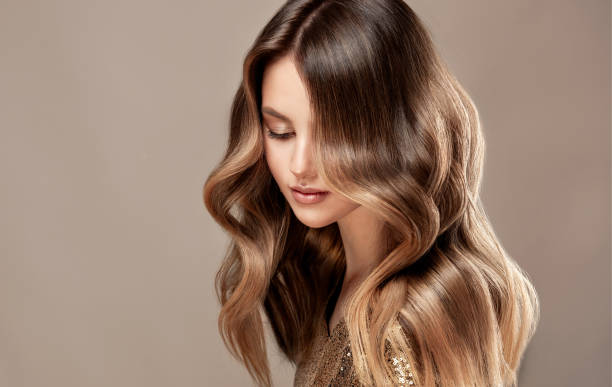
Truly successful hair coloring isn’t about chasing the latest trends but about finding a hair dye that perfectly matches your hair type.
When color, hair texture, and structure are in balance, even the most basic hair coloring can produce a natural, timeless, and stable result.
Before purchasing hair dye next time, it’s advisable to conduct a compatibility test first. This step is often more important than switching brands.