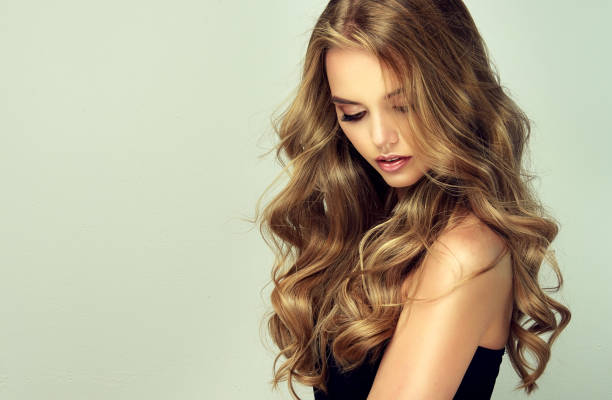
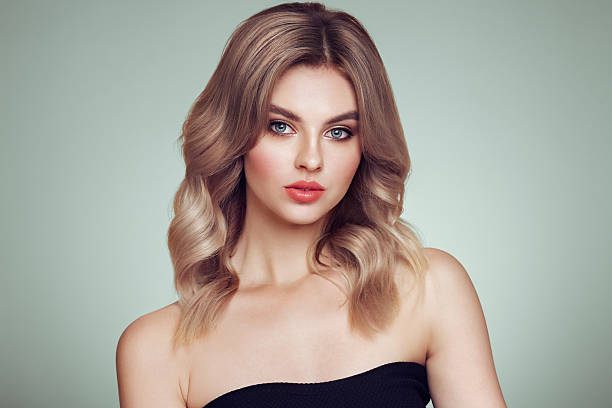
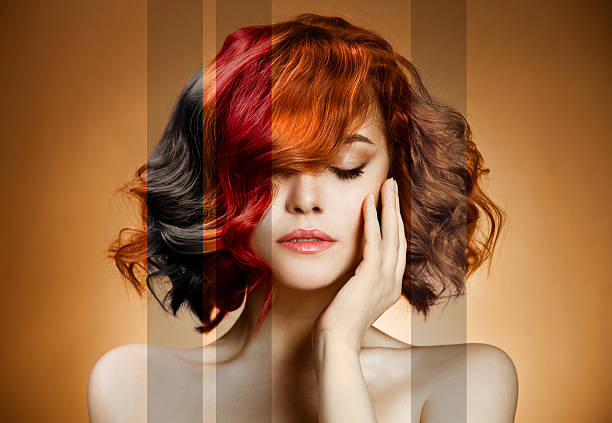
Imagine changing your hair dye color – wouldn’t your mood be different? Perhaps you’d feel more energetic, more confident, or even want to immediately take a picture and share it on social media.
This isn’t accidental – color itself has a psychological impact, and psychological research has confirmed its deep correlation with emotions and self-confidence. In color psychology, color can evoke certain emotions, symbolic meanings, or behavioral responses, and these are precisely the experiences many people have when choosing hair dye.
Table of Contents
I. Fundamentals of Color Psychology: How Color Affects Our Psychology
Color psychology is the study of how color hues affect human emotions, behavior, and psychological states. Different colors evoke different reactions, and this influence can be at both the physiological and emotional levels.
For example:
- Red: Associated with passion, energy, confidence, and tension.
- Blue: Symbolizes calmness, trust, and stability.
- Green: often evokes associations with nature, harmony, and relaxation.
- Yellow: Represents happiness, optimism, and even concentration.
These direct relationships between colors and emotions are not only widely used in design, advertising, and interior design, but also play a role in shaping personal style, such as hair dye.
In human visual experience, color enters the sensory system and triggers psychological reactions, sometimes even causing slight physiological responses. This is why seeing a certain color can make us feel more relaxed, more excited, or more confident.
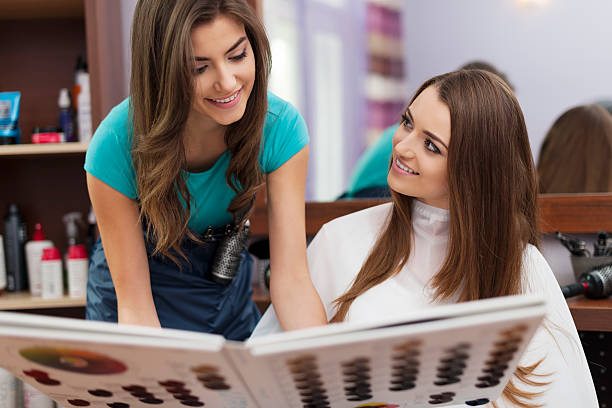
II. Hair dye and self-expression: More than just a change in appearance
Many people view hair coloring as a way to change their appearance, but from a psychological perspective, hair dyeing is essentially a form of self-expression and psychological adjustment.
In psychotherapy research, people have found that changing their hair color can provide a sense of “control” or an emotional reset, a phenomenon particularly common among those experiencing significant life changes. The hair coloring process itself, from choosing a color to completing the style, can lead to feelings of increased control, emotional release, and even psychological rebirth.
In fact, many people color their hair at important moments —perhaps after the end of a relationship, or at the beginning of imagining a new image. This isn’t random; it’s a symbolic psychological transformation. Some describe this feeling as “washing away the past,” symbolizing the start of a new phase.
III. How different hair dye colors affect mood and self-confidence
Different colors of hair dye not only have different visual effects , but also have unique psychological effects:
1. Red tones: a symbol of passion and energy.
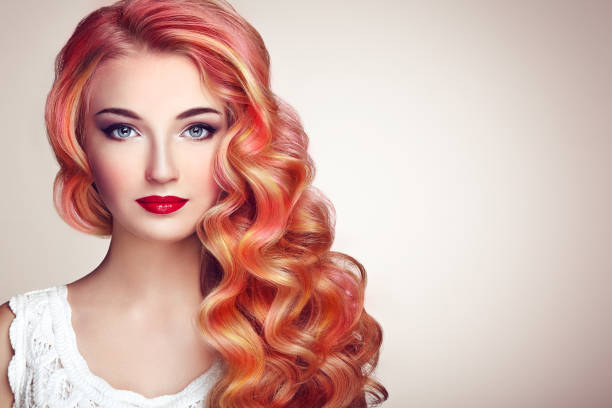
Red hair often gives off a feeling of enthusiasm, energy, and attention-grabbing. In color psychology, red is usually associated with passion, confidence, and boldness. If you choose a red hair dye, you may feel more powerful and experience an emotional boost.
However, a small percentage of people may feel increased stress because red is a highly stimulating color.
2. Blue tones: Calmness and trust
Blue is often associated with the sky and the sea, and is considered to have a calming and stabilizing effect. Choosing light or dark blue hair dye gives an overall impression of calmness and trustworthiness.
Many people report that wearing blue hair with natural makeup during job interviews or important occasions makes them appear more confident and persuasive.
3. Green tones: Soothing and balancing
Green is often associated with nature and can help relieve tension and increase comfort. If you want to look more gentle and natural, green hair dye might be a good choice.
4. Yellow/Gold Tones: Optimism and Joy
Yellow or golden hair dye can convey feelings of brightness, happiness, and positivity. Color psychology considers yellow to be a “high-energy color” that can promote positive emotions.
However, yellow can also be associated with mild anxiety, so it is recommended to match it with the overall style when choosing it.
5. Purple tones: Mystery and unique
Purple hair often evokes a sense of mystery, innovation, and sophistication. Psychologically, this color is usually associated with imagination and heightened self-awareness, making it suitable for people who want to express independence and creative energy.
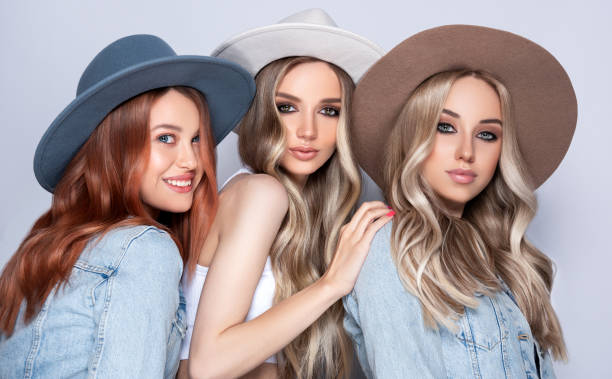
IV. The Mechanism by which hair dye color affects self-confidence
Why can color not only affect our emotions but also change our self-confidence? This actually involves several psychological mechanisms:
1. Social cognition and color labeling
Certain hair colors are often stereotyped in society and culture. For example, blonde hair is often associated with youth and energy, while dark brown or black hair may be linked to maturity and professionalism. These associations can influence others’ first impressions of you, which in turn can enhance your self-perception.
2. Self-expression and self-identity
Hair coloring is an act of expressing personal style. Hair dye that is more consistent with one’s image makes one feel a sense of inner and outer harmony, increasing self-satisfaction, which in itself contributes to increased confidence.
3. Emotional Feedback Cycle
When others compliment your new hair color, this positive feedback releases dopamine and other pleasure hormones in your brain, creating a sense of “affirmation” and boosting your confidence.
V. How to choose the most suitable hair dye color for yourself
When choosing hair dye, don’t just look at trendy colors; also consider your psychological feelings and the boost to your confidence.
Assess your target emotions
Want to appear more energetic? Red tones might be more suitable. Want to appear calmer and more composed? Blue or dark brown might be more appropriate.
Consider skin tone and personal style
Different skin tones and personal styles will affect how colors look on you. For example, warm-toned skin often looks more radiant when paired with blonde hair dye, while cool-toned skin is more suited to cool-toned hair dyes such as blue and purple.
Mini-test method
Find three of your favorite colors, imagine what you would look like in different scenarios (office, date, everyday life), and then imagine how others would react to you. This mental simulation can help you make choices with more confidence.
VI. The specific influence of hair dye color on daily mood
Color not only affects emotions, but it can also subtly influence your behavior in daily life:
Red hair
- My mood is sometimes even more excited
- They may be more likely to initiate social interactions.
blue hair
- It has a calming effect and helps with rational thinking.
- Suitable for important occasions such as interviews and speeches
Green hair
- Brings a sense of nature and tranquility
- Helps relieve stress
Yellow/Golden
- Closely associated with optimism
- It may increase confidence and energy.
While these effects are not absolute scientific conclusions, they have a certain degree of general consensus in color psychology and are widely used in fields such as clothing design, interior color matching, and brand visuals.
VII. Excess and Moderation: Psychological Boundaries in Hair Dye Use
While hair color can boost mood or confidence, it’s important to avoid using it as a sole means of escaping emotional problems. If the mood improvement after hair coloring is only temporary and not accompanied by healthy psychological strategies, this boost may be short-lived.
Therefore, hair dye is best used as a tool for positive self-expression and visual alteration, rather than as the sole method of emotional dependence.
8. Frequently Asked Questions (FAQs)
Q1: Can different colors really affect mood?
Yes, color psychology research shows that color can affect people’s emotions and behavioral responses, and different colors represent different emotional associations. This phenomenon also applies to hair dye colors.
Q2: Can hair coloring boost self-confidence?
Many people feel more in control and more confident after changing their hair color, which is related to the psychological feedback and social perception brought about by color.
Q3: What color is best for boosting self-confidence?
It depends on your style goals. Some people find red more powerful, while others prefer a more understated darker color that conveys confidence. It’s more important to choose based on a combination of psychological effects and personal preference.
Q4: Do people with different cultural backgrounds have the same psychological reaction to hair color?
While psychological reactions to colors vary across cultures, certain color associations are universal; for example, blue is often associated with calmness and red with vitality.
Q5: Does the hair dyeing process affect mental health?
The sense of self-control and aesthetic changes during hair coloring can have a positive impact on psychology, but if emotional problems are severe, it is recommended to seek professional psychological counseling.
IX. Conclusion: Let hair dye become a part of your confident expression.
Hair dye is more than just color; it’s a way of expressing yourself.
Understanding color psychology will help you better understand why certain colors can make you feel better and more confident, and will also help you choose the right hair color for yourself more wisely.
The next time you stand in front of a hair dye swatch, think about this: it’s not just a color, but an emotion , a posture, an extension of confidence.