
When considering changing your hair color, you’ll often hear terms like “amino acids” or “plant dye.” On the surface, they all claim to be “gentle and non-damaging,” but which one is truly best for your hair type? This article will provide an in-depth analysis from the aspects of ingredients, mechanisms of action, hair care effects, and usage scenarios, giving you a clear understanding before dyeing your hair.
Table of Contents
I. What are the differences between amino acid dyes and plant dyes?
Hair dyeing is more than just a matter of color. Every dyeing process is a “chemical challenge” for both hair and scalp. Choosing a gentle dye is about finding a balance between protecting hair quality and meeting your color needs.
amino acid dye
- Key features: In addition to traditional hair dyes, amino acids, protein derivatives, or nourishing oils are added to reduce chemical damage.
- Principle: The dye still needs to open the hair cuticle to allow the pigment to enter the hair strand, but the amino acid components will repair or cover the hair surface to a certain extent, protecting the cortex from being completely damaged.
- Suitable for: People who want long-lasting color and strong coverage while also wanting to minimize damage to their hair.
- A gentle reminder: Although amino acid hair dyes are gentler than traditional hair dyes, frequent dyeing or perming can still cause dryness or breakage.
Plant dye
- Key features: Primarily composed of plant extracts (such as indigo, henna, and herbal dyes), minimizing the use of ammonia or strong oxidizing agents.
- Principle: The dyes adhere to a shallow layer or penetrate lightly, causing minimal disturbance to the hair cuticles, thus leaving the hair structure almost undamaged.
- Suitable for: People with sensitive scalps, those who are dyeing their hair for the first time, or those who prefer natural hair care.
- Tip: Plant-based dyes usually produce lighter results and have limited coverage; they may not be as effective at covering gray or white hair as amino acid dyes.
II. Differences in the Mechanism of Action of Hair Type and Hair Dye
Understanding the principles of hair dyeing can help you determine which dye is more suitable for you.
The hair-dyeing principle of amino acid dye
- Open hair cuticles: allow dye to penetrate the hair shaft.
- Pigment deposition: Amino acids and protein derivatives adhere simultaneously, reducing damage.
- Hair care effect: After dyeing, the hair cuticles partially close, locking in moisture and nutrients.
Overall, amino acid hair dye is a solution that “takes into account both hair care and coloring” and is less damaging than traditional hair dyeing, but it still has the potential to irritate people with extremely sensitive scalps.
The principle of plant-based hair dye
- Superficial adhesion: Most plant dyes remain on the surface of the hair or in the superficial layer of the cortex.
- Weak chemical reaction: No ammonia or strong oxidizing agent required, with extremely low chemical irritation.
- Natural hair care: It does not damage the hair quality while dyeing, nor does it make the hair dry or frizzy.
In summary, the biggest advantage of plant-based hair dyes is their gentleness on hair, but their color longevity and coverage are limited.
III. Amino Acids vs. Plant-Based Hair Dyes: A Comparison of Hair Protection and Scalp Safety
| Comparison Dimensions | amino acid dye | Plant dye |
| Hair damage | Moderate to mild disturbance of hair cuticles | Low, almost no disturbance to the structure |
| scalp irritation | Low (depending on ingredients) | Extremely low, suitable for sensitive scalps |
| Persistence | High coverage | Low color accuracy, requires frequent touch-ups |
| Hair dyeing care | I recommend color-protecting shampoo and deep conditioning. | Regular washing and care are possible, with minimal impact. |
| Suitable for | Seeking both effective results and hair care | Sensitive scalp, those who prefer natural hair care |
Tip: If you want to maintain a bright color and cover gray hair long-term, amino acid hair dye is more suitable; if you just want to change to a natural color occasionally, plant-based hair dye is the safest choice.
IV. Hair dye selection advice: varies depending on hair type
Sensitive scalp or damaged hair
- Priority plant dyeing.
- Pre-infection patch test; observe for 24–48 hours.
Pursuing color longevity and coverage
- Amino acid dye is a compromise.
- Even after dyeing, hair still needs conditioning and deep conditioning.
Gray or white hair covered or heavily dyed
- Amino acid dyes can achieve more ideal results.
- Plant cover has limited capacity and may not be able to be completed in one go.
Hair dyeing frequency
- Regardless of the type of dye, it is recommended to wait at least 2–3 months between applications.
- Frequent hair dyeing increases the burden on hair quality.
V. Practical Hair Care Tips
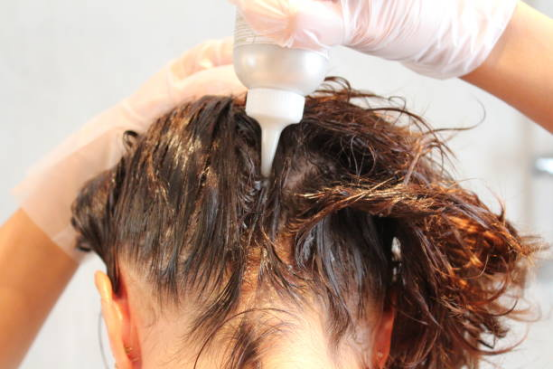
- Before dyeing: Do not wash your hair for 24–48 hours to allow natural oils to buffer the irritation of the dye.
- After dyeing: Do not wash your hair for 24–48 hours, and reduce exposure to hot air, hair dryers, swimming pools, or sunlight.
- Care: Perform deep conditioning or color protection treatment every 4–6 weeks.
- First-time hair dyeing: Whether using amino acid or plant-based dye, test on a small area first before applying it to the whole body.
Thoughts: Some people like to apply a face mask or get a scalp massage while dyeing their hair, which can relieve slight tension and add a little “happiness” to the hair dyeing process.
VI. Conclusion: Gentleness is not the only standard; what suits you is.
“Amino acids vs. plant-based hair dye: Which is gentler?” Actually, the question shouldn’t just be about gentleness.
The key is
- What color do you want?
- How resilient is your hair/scalp?
- Are the frequency of hair dyeing and the hair care plan sufficient?
If you want a gentle, long-lasting, and vibrant color, amino acid dye is suitable.
If you want extremely low irritation, natural hair care, and prioritized healthy hair, plant-based dye is more ideal.
Hair dyeing is a “beauty investment,” not an impulsive decision. By planning ahead, understanding the ingredients, and choosing a dye based on your hair type, you can ensure that every hair dyeing session is both beautiful and gentle on your hair.