
Hair coloring is a part of life for many, especially those seeking individuality or a change in appearance. Whether trying a new color or simply wanting to cover gray hair, choosing the right hair dye is crucial. However, one key factor that might raise questions is the concentration of the hair dye. So, what’s the difference between dark and light dye? How does concentration affect the final result of hair coloring?
Today, we’ll analyze this issue in detail to help you make the best choice based on your needs and achieve your ideal hair coloring effect.
Table of Contents
What is Hair Dye concentration?
First, we need to understand what “hair coloring concentration” is. Simply put, hair dye concentration refers to the content of the main ingredients (such as pigments, oxidants, etc.) in the solution of a hair coloring product. The higher the concentration, the more chemical components are present in the hair dye. The concentration affects the hair coloring effect and can even determine whether your hair color is vibrant and long-lasting or soft and natural.
When discussing concentration, two main components are involved: hydrogen peroxide (an oxidizing agent) and dye particles. The concentration of hydrogen peroxide directly affects the degree to which the hair cuticles open, while the concentration of dye particles determines the intensity of the dyeing.

Dark vs. Light: The Difference in Hair Dye Concentration
High concentration: intense color and long-lasting effect
When we talk about high concentrations, we’re usually referring to products with a higher concentration of hydrogen peroxide (e.g., 6%-12%). The advantages of these products are obvious—they quickly open the hair cuticles, allowing the dye to penetrate deeper into the hair shaft. This not only makes hair coloring more noticeable but also results in a deeper and longer-lasting color.
high-concentration hair dye suitable?
- Covering gray hair: The high concentration can effectively penetrate deep into the hair shaft to cover gray or grayish-white hair, especially suitable for the elderly or those with a lot of gray hair.
- Darkening hair color: If you want to dye your hair a darker color (such as dark brown or black), a high concentration is your best choice. It can provide enough color intensity to make the color deeper and richer.
- Durability: High concentrations typically maintain color for a longer time and reduce fading. Suitable for those who want their dyed color to last longer.
Of course, high concentrations also have their side effects:
- Potential hair damage: High concentrations of hydrogen peroxide can damage hair strands, especially for those with fragile hair. Prolonged use may lead to dry, brittle, and split ends.
- May cause allergic reactions: If you have sensitive skin, high concentrations of hair dye may trigger allergic reactions, so it is best to do a skin test before use.
Low-concentration hair dye: gentle, natural effect
to high-concentration dyes, low-concentration dyes are much gentler. Their hydrogen peroxide concentration is generally between 3% and 6%, suitable for those who desire a natural, gentle dyeing effect. Low-concentration hair dyes not only cause less irritation to the hair but also effectively maintain its health.
In what situations are low concentrations suitable?
- Light hair coloring: If you want to dye your hair a light color (such as light brown, blonde, red, etc.), a low concentration is more suitable. It can provide a slight color change, and the color will be natural and bright after dyeing.
- Color Repair: Low concentration can gently change hair color without damaging hair quality, suitable for those who do not want to drastically change their hair color.
- Avoid hair damage: For hair that has been dyed multiple times, a low concentration can minimize hair damage and maintain hair health during the dyeing process.
However, low-concentration hair dye also has some drawbacks:
- The dyeing effect is not long-lasting: low concentrations of color have poor durability and may fade a few days after dyeing.
- Not suitable for covering gray hair: Low concentrations are difficult to completely cover gray hair, so this product may not be suitable if your goal is to cover a lot of gray hair.
How to choose the appropriate hair coloring concentration?
Understand your hair type and needs
When choosing hair dye concentration, you should first consider your hair type and hair coloring goals. Everyone’s hair type is different, and the required hair coloring concentration will also vary.
- Fine and soft hair: If your hair is fine and soft, it’s best to choose a low concentration. High concentrations may cause excessive damage, making your hair dry and brittle.
- Coarse and stiff hair: If you have coarse and stiff hair, using a high concentration will be more effective, ensuring that the dye penetrates deep into the hair shaft and the coloring effect will last longer.
What is the goal of hair coloring?
- For a darker effect: If you want to dye your hair a darker color, such as dark brown or black, it is recommended to choose a high-concentration hair dye, which can better penetrate the hair strands and achieve a richer color.
- For a lighter effect: If you just want to slightly brighten your hair color, a low concentration is a better choice. It will give you a natural look while reducing damage to your hair.
Pay attention to allergies and hair health
If you have sensitive skin or damaged hair, it’s recommended to choose a low concentration. This not only reduces skin irritation but also helps protect hair health. In contrast, high-concentration hair dye may exacerbate allergic reactions or cause hair damage.
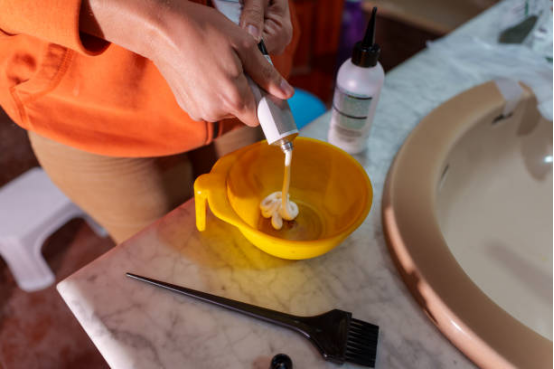
In summary: Find the right hair coloring concentration for you—whether it’s strong or weak.
Choosing the right hair dye concentration isn’t simply a matter of “stronger is better, lighter is worse.” The key factors are your own hair type, your hair coloring goals, and your desired longevity. High-concentration dyes are suitable for those who need strong, long-lasting results, while low-concentration dyes are better for those seeking a natural look or gentler hair care.
Most importantly, choose the hair dye that best suits your needs to ensure long-lasting and beautiful hair coloring results. Hopefully, this article will help you find the perfect hair coloring intensity for you and achieve a healthy, vibrant hair color.