
.Hair coloring is more than just “changing your hair color.” The timing of your hair dye application directly impacts the results, hair health, and your overall experience. Many people ask, “When is the best time for me to color my hair ? Before bed, on weekends, or on holidays?” There’s no absolute answer—the ideal time depends on your schedule, scalp and hair condition, the type of hair coloring agent, and the desired effect. This article will analyze the advantages and disadvantages of different time periods and provide practical advice to help you plan your hair coloring scientifically .
—opportunitiesTable of Contents
1. Why is hair coloring timing so crucial?
Most people focus on whether or not to dye their hair or what color to dye it, but they overlook the fact that hair coloring can also affect the final result.
steps,Hair coloring is not just about applying color; it involves a series of steps including waiting for the color to develop, rinsing, conditioning, and blow-drying. Rushing the process during busy times can easily result in uneven coloring or damage to the hair.
.In addition, hair and scalp need a recovery period after hair coloring . For example, avoid washing your hair immediately, avoid high-temperature styling, and avoid frequent coloring. Improper timing can easily aggravate the damage.
Especially when it’s your first time hair coloring or trying a new color/bleaching, you may need to allow for an “observation period”—to check for scalp allergies and whether the hair color meets your expectations. If the hair coloring is rushed, there may not be enough time to make corrections.
Therefore, the timing and post-dyeing arrangements are closely related to the effect of hair coloring and hair health.
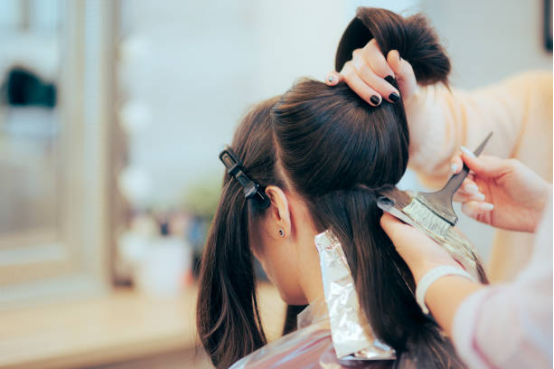
II. Three typical times for hair dye: before bed, on weekends, and on the eve of holidays.
Hair coloring at different times has its own advantages and risks, which we will analyze one by one.
—convenientHair coloring before bed – convenient but with potential problems.
Advantages: Makes flexible use of spare time.
If you are busy with work during the day and have free time in the evening, hair coloring before bed seems to save time. Especially with DIY hair dye, no appointment is needed; there’s no need to go out, you can do it directly at home.
For those who don’t want to bleach or dye their hair but simply want to change the color or cover up gray hair, this method is convenient, quick, and highly flexible.
Disadvantages/Potential Risks
- If youyou color your hair before bed and then need to wash it or go out the next day, it is likely to damage the pigment adhesion, causing the color to fade faster.
- off andFriction from bedding during sleep or hair that is not completely dry can cause unfixed pigments to fall off, and may also damage the hair.
- For bleached or heavily irritated hair dyes, the scalp and hair need time to recover, and hair coloring before bed often doesn’t provide enough buffer time.
color andSuitable for: People with flexible hair washing habits and low requirements for hair color, and who want to quickly test colors or apply color simply. It is recommended to avoid complex chemical treatments or bleaching.
the hair dye on weekends/holidays—the safest and most recommended option.
Advantages: Ample time + large recovery space.
Weekends or holidays usually do not require working or going to school, so there is enough time to complete the entire hair coloring process: applying → waiting for the color to develop → rinsing → conditioning → drying.
touch-ups.After dyeing, you can leave your hair unwashed for 24–48 hours to allow the pigment to stabilize. If scalp discomfort, uneven dyeing, or allergic reactions occur, there is still time to correct them, such as rinsing, conditioning, or touch-up.
weekends, and hair dyes such as bleaching/highlighting/gradients; weekends or holidays are almost the only recommended times.
affected;The downside
is that you need to plan your time in advance. If your weekend schedule is already full, hair coloring may be affected, for example, you can’t wash your hair, you can’t wear tight hats, and you can’t style your hair in high temperatures or be exposed to strong sunlight.
bleaching,Suitable for: People who want stable hair color, bleaching and high-quality results; those who are getting hair coloring for the first time or have fragile hair/scalp; and those who want to reduce risks and pay attention to hair health.
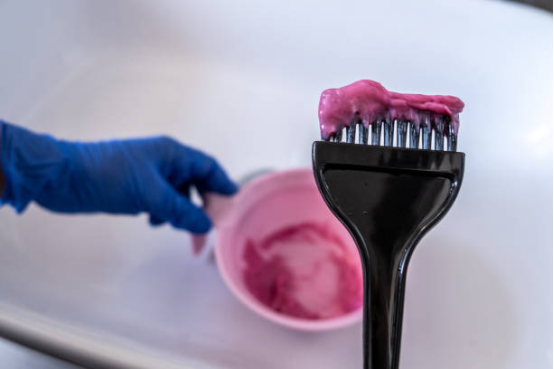
opportunities Hair coloring before holidays/events—opportunities and risks
to color their hair before holidays or important events, such as parties, dates, trips, or photoshoots. This time period is tempting, but the risks are equally present.
Advantages: The effect is perfectly suited to the occasion.
New colors paired with holidays or events make it easier to create a fresh look. If you choose a semi-permanent dye, you can try out trendy colors for a short period without needing long-term maintenance.
Potential problems
- Permanent hair dyeing or bleaching can easily lead to problems such as fading, uneven coloring, dryness, and breakage if the hair is not given enough time to stabilize and care for itself.
- If scalp discomfort or dyeing fails, the limited time for correction can negatively impact your mood during holidays or events.
- For first-time hair coloring or trying a new brand, it is recommended to do a patch test and observe your scalp at least one or two weeks in advance.
Suitable for: Those who only want a temporary or light color, have good hair condition, and are willing to take the risk. It is best to test the color at least 48 hours in advance.
3. Choose the best time based on hair dye type and hair type.
The type of hair coloring agent, your hair type, and scalp condition will also affect the most suitable time for hair coloring.
Permanent hair coloring + healthy hair
Weekends/holidays are recommended. Permanent hair coloring involves a strong chemical reaction and requires time to recover, so frequent washing or high-temperature styling should be avoided.
Do not wash your hair for 24–48 hours after coloring, then use a mild, color-protecting shampoo and perform regular deep conditioning.
Semi-permanent/Temporary hair coloring/Covering gray hair/Simple coloring
.You can choose to apply it before bed, on a weekday evening, or before a holiday. Semi-permanent hair dye is less irritating to the hair, making it suitable for quick coloring or trying it out.
However, it is still recommended to avoid applying it immediately after washing your hair, as the scalp’s natural oils can buffer the irritation from the hair dye .
Highlighting/Multicolor/ComplexBleaching/ Highlighting/ Multicolor/ Complex shapes
It is strongly recommended to do this on weekends or holidays. Bleaching, highlighting, styling, or gradation are complex processes that require time and patience and put a lot of stress on the hair and scalp.
scalps/hairPeople with sensitive scalp/hair
.Regardless of the type of hair coloring, it’s recommended to choose a free day with ample time for treatment. Try to avoid rushing to color your hair before bed or before holidays .
IV. Practical Suggestions: hair dye Time + Hair Care Schedule Template
If you decide to get your hair coloring done, you might want to refer to this simple timeline to protect your hair and achieve the desired results.
1–2 days before infection
hair coloring immediately after washing your hair. Ideally, don’t wash your hair for the first 24–48 hours to allow natural oils to buffer the irritation.
hair dye for the first time or are using a new brand, be sure to do a patch test (small area color test/skin test) at least 48 hours in advance.
That day
- Allow at least 1.5–2 hours: Apply dye → Wait for color development → Rinse → Dry/Care.
- -temperatureTry to do it at home as much as possible, without being disturbed, and avoid high temperature shaping or direct sunlight.
24–48 hours after staining
- Try to avoid washing your hair or wash it less often to allow the pigment to set.
- After the first shampoo, use a gentle color-protecting shampoo and conditioner.
- Avoid hot air, hair dryers, perms, swimming pools/seawater/strong sunlight.
Long-term care
- Perform a deep conditioning/hair mask/color protection treatment every 4–6 weeks.
- If you frequently color your hair (especially bleaching or dark hair dyeing), it is recommended to wait at least 4–6 weeks between treatments.
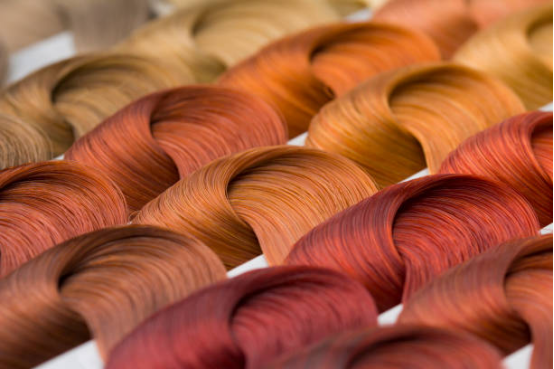
V. Conclusion: There is no perfect time, only a schedule that suits you.
In general, if you’re looking for stable results, healthy hair, and a comfortable scalp after hair coloring, weekends/holidays plus ample recovery time are the safest option.
If you just want to color your hair quickly, try a new color, or change your mood in the short term, you can do it “before bed/on weekday evenings,” but it is recommended to choose a mild hair dye and avoid complicated chemical processes.
Hair coloring isn’t something that can be accomplished simply by saying, “I want to be beautiful.” It requires planning, care, and time for your hair to develop. Choosing the right time for your hair coloring and the right care routine ensures that every hair dyeing session is both beautiful and gentle on your hair, giving you a fresh new look instead of being a waste of time, money, and energy.