
When we talk about hair coloring , we often think of dazzling colors and trendy hairstyles. Whether it’s to change one’s image, cover gray hair, or pursue individuality, hair coloring has become a part of many people’s daily lives. However, have you ever noticed that even when using the same hair coloring brand and shade, the results can vary drastically? Behind this phenomenon lie many interesting scientific principles. In this article, we will uncover the science behind “hair dye” and explore why the same shade can produce different effects on different hair types and under different conditions.
Table of Contents
hair quality and hair coloring effect
If you’ve ever dyed your hair, you might have noticed that the final result differs from your expectations. This is actually closely related to each person’s hair type. Different hair types not only result in different appearances but also affect the absorption and effectiveness of hair dye .
- Hair thickness and density: For example, fine, soft hair absorbs dye more quickly than coarse, thick hair, so the dyeing effect may be more pronounced. Conversely, coarse hair may require more hair dye , and the color takes longer to develop, so the effect may not be as good as fine hair.
- Hair health: The health of your hair directly affects the evenness and longevity of hair coloring. Healthy hair can better lock in the dye, while dry, brittle, or repeatedly dyed hair may result in uneven color or even fading.
- Hair moisture content: Hair’s absorption capacity differs between wet and dry conditions. If hair isn’t thoroughly dried before hair coloring, the coloring effect may be inaccurate, resulting in insufficient color penetration.
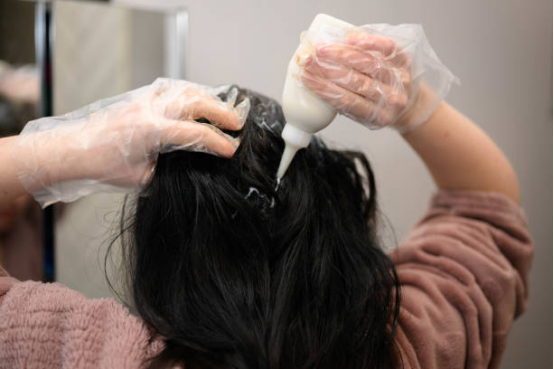
natural hair color on hair coloring effect
In the hair coloring process, the base color plays a crucial role. Different natural hair colors can have a profound impact on the final hair coloring effect; even when using the same hair coloring product and shade, the results can be vastly different.
- Differences in base color: If your natural hair color is very dark, when you try to use a light-colored hair dye , the hair coloring effect may be darker or have yellow/orange undertones due to the dark base color, requiring repeated dyeing to achieve the desired effect. For light-colored hair, the effect of hair dye is usually more direct, and the color will be more saturated.
- Color temperature contrast: Everyone’s hair color has a warm or cool undertone. For example, blonde or red hair usually has a warm undertone, while gray, blue, or black hair has a cool undertone. When coloring your hair , these base colors will affect the color you get. For example, if your hair is warm-toned, the resulting color will be warmer, and conversely, a cool undertone will result in a cooler color.
hair dye formulations and brands
.Even with the same shade, different brands and formulas can produce different results. Different formulas and chemical components affect the dyeing ability, color durability, and evenness of color application of hair dye .
- .Hair dye types: Commonly, hair dyes are mainly divided into two categories: permanent and semi-permanent. Permanent dyes usually contain oxidants that penetrate deep into the hair shaft for long-lasting color, while semi-permanent dyes only stay on the surface of the hair and have a relatively shorter effect. Choosing the right hair dye based on your needs is very important .
- Oxidant Concentration: The concentration of the oxidant in hair dye directly affects the depth of dye penetration. Higher concentrations of oxidant are suitable for dyeing darker hair colors, while lower concentrations are suitable for dyeing lighter hair colors. Oxidant concentrations may vary between different brands, which explains the differences in the effect of the same hair coloring shade.
- Other ingredients in hair dye: Some hair dyes contain nourishing ingredients such as keratin and vitamins, which not only repair hair strands but also enhance the dyeing effect and ensure a more even color. However, some lower-priced hair dyes may lack these ingredients, resulting in less than expected hair coloring results and potentially damaging the hair.
Hair coloring timing and techniques
During hair coloring, the duration of the coloring process and the application technique will affect the final coloring result. Often, if we don’t control the time well or apply the coloring unevenly, it will lead to differences in the final result.
- Timing is crucial when coloring hair: Hair dyes usually have recommended application times. Applying it for too long will make the color too intense and may even damage the hair. Applying it for too short a time may result in uneven coloring or even no color at all.
- Even application: Uneven application will result in inconsistent coloring effects. Ensure even application from roots to ends, avoiding areas that are too dark or too light.
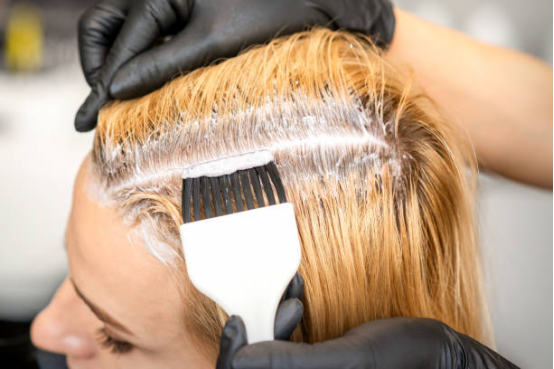
The influence of external factors
hair coloring depends not only on how you apply it but also on the external environment. Sunlight, air quality, and even water quality can all affect the outcome.
- Sun exposure: Frequent sun exposure accelerates hair color fading. Ultraviolet rays break down the dye, causing the color to fade faster. Therefore, avoiding direct sunlight or using UV-protective hair care products can prolong the lasting effect of hair color.
- Water quality: Hard water contains more minerals, and long-term use may cause hair color to fade faster. Therefore, using soft water or professional water purification equipment helps protect the hair coloring effect.
How to ensure the ideal hair coloring effect?
To achieve the desired hair coloring effect, you can take the following measures:
- Choose the right hair dye and shade: Based on your hair type and needs, select a suitable hair coloring brand and shade. Don’t blindly follow trendy colors; instead, choose the color that best suits you.
- Protect hair health: Perform a deep conditioning treatment before hair coloring to maintain healthy hair. Healthy hair absorbs color more easily, and the color lasts longer.
- Avoid frequent shampooing: After hair coloring, it’s best to avoid frequent shampooing, especially using shampoos containing sulfates, as these can accelerate the fading of the color.
- Reduce sun exposure: When the sun is strong, try to avoid prolonged exposure. You can choose to wear a hat or use hairspray to prevent UV damage to your hair.

Conclusion
By understanding the scientific principles behind hair dye, we can see that the differences in hair coloring results are not accidental but rather the result of multiple factors working together. Hair type, base color, hair dye formula, coloring time, and external environment all influence the final outcome. Hopefully, this article will help you understand the science behind hair coloring, allowing you to choose and use it more effectively and easily achieve your ideal hair color.